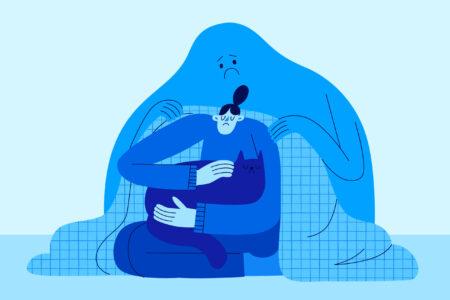
What is anxiety?
Anxiety is a natural response to stress that can manifest both mentally and physically. It is the body’s way of alerting us to potential danger and preparing us to respond. Moderate anxiety can be beneficial – it helps us focus, motivates us and keeps us alert. However, when anxiety becomes too intense or lasts for a long time, it can start to interfere with our daily life and well-being.
Anxiety symptoms
Anxiety symptoms can vary widely. Common mental symptoms include constant worry, restlessness, difficulty concentrating, and fear of something bad happening. Physical symptoms can include heart palpitations, sweating, trembling, digestive problems, and muscle tension. Some people may also experience sleep problems or panic attacks.
Why does anxiety occur?
Anxiety can have many causes. It is often related to a stressful life event, trauma, genetic predisposition, or chemical changes in the brain. It can also be triggered by certain thought patterns, such as catastrophizing or excessive self-criticism.
A science-based view of anxiety
Neurobiological background
Anxiety is not just an emotion, but is linked to specific brain structures. A part of the brain called the amygdala is responsible for the perception of danger and is intensely activated when we are anxious. At the same time, the part of the brain that regulates rational thinking and decisions can take a back seat. This explains why the anxious reaction can feel irrational or uncontrollable.
The Vicious Cycle of Anxiety
Many people experience a cycle of anxiety: anxiety → physical symptoms → fear of symptoms → more anxiety. This vicious cycle can worsen as the person begins to avoid situations that trigger anxiety, which in turn perpetuates the fear. The goal of therapy is often to break this cycle.
Prevalence of anxiety
According to the World Health Organization (WHO), anxiety disorders are the most common mental health disorder in the world. In Estonia, an estimated one in three people will experience anxiety symptoms during their lifetime. This shows that anxiety is very common and experiencing it does not mean that a person is broken – it is part of the human experience.
How to deal with anxiety?
Professional help
If anxiety begins to interfere with daily life, it is recommended to seek professional help. A psychologist or psychiatrist can assess the situation and provide appropriate treatment. Common treatments include cognitive behavioral therapy, which helps change anxiety-causing thought patterns, and, if necessary, medications that regulate brain chemistry.
 Supporting yourself
- Movement
Regular physical activity, such as walking, running, or swimming, helps the body calm down, reduces muscle tension, and releases endorphins that improve mood. Exercise also supports brain chemistry and nerve cell health. - Healthy diet
A plant-based and whole food diet supports brain function. Eat more vegetables, fruits, nuts, legumes, and whole grains. Reduce your intake of processed, sugary, and fatty foods. - Good sleep
Quality sleep calms the amygdala and helps the brain recover. Daily exercise and sunlight support nighttime sleep. Avoid caffeine, nicotine, and screens before bed. - Relaxation
Calm meditation, breathing exercises, and muscle relaxation help calm the body and mind. Deep abdominal breathing calms the nervous system and helps during an anxiety attack. - Communication
Close relationships, conversations, and even pets can relieve stress and anxiety. Don't be alone — seek contact, even if it seems difficult. - Finding meaning
Connect with something bigger—whether it's faith, nature, art, or helping others. Focusing on others helps to distract yourself from your worries and gives life meaning. - Anxiety diary and routine
In addition to breathing exercises and exercise, you can try keeping an anxiety diary: note when anxiety occurs, what triggers it, and how you react; and a structured daily schedule: routine helps reduce uncertainty and feelings of lack of control.
Summary
Anxiety is part of the human experience, but when it becomes chronic or interferes with daily life, it is important to seek help. Awareness, self-care, and, if necessary, professional support can help you cope with anxiety and restore inner peace. Understanding anxiety – both its psychological and neurobiological aspects – can help us cope better with it.
Sources used: https://reminded.org/anxiety
Angelika Command
SisuloojaAngelika is a health promoter and community advocate with a passion for sharing practical knowledge about holistic wellness that helps balance body, mind, and spirit. Her work focuses on conscious choices, the healing power of nature, and the importance of community and supporting each other.